
Composting at home is a wonderful way to reduce kitchen waste and create nutrient-rich soil for your plants. If you’re new to composting, starting can feel a little overwhelming. But don’t worry! This guide will introduce you to simple tips and best practices to help you get started with composting right in your backyard or even your balcony.
What is Composting?
Composting is the natural process of recycling organic materials such as food scraps and yard waste into a valuable soil amendment known as compost. Compost enriches soil, helps retain moisture, and supports healthy plant growth. It’s an eco-friendly practice that reduces the amount of waste sent to landfills.
Why Compost at Home?
– Reduces waste: Instead of throwing away fruit peels, coffee grounds, or grass clippings, composting turns them into useful material.
– Improves soil health: Compost adds nutrients back into your garden soil, reducing the need for chemical fertilizers.
– Saves money: Making your own compost means less spending on soil conditioners and fertilizers.
– Supports the environment: Composting helps lower greenhouse gas emissions by reducing landfill waste.
Getting Started: Choosing Your Composting Method
There are several ways to compost at home, depending on your space and preferences.
1. Traditional Compost Bin
Ideal for backyards, these bins keep your compost contained and help speed up the process.
– Pros: Easy to use, controls pests, holds large amounts of material.
– Cons: Requires outdoor space and occasional turning.
2. Compost Tumbler
These sealed containers can be rotated to mix compost ingredients.
– Pros: Faster composting due to easy mixing, less odor.
– Cons: Usually smaller capacity, initial cost.
3. Worm Composting (Vermicomposting)
Using worms to break down waste in a bin, this method is great for indoor composting.
– Pros: Works indoors, produces nutrient-rich worm castings.
– Cons: Requires some care for worms and a controlled environment.
4. Bokashi Composting
An anaerobic fermentation process that can handle meat and dairy scraps.
– Pros: Works indoors, accepts a wider variety of food waste.
– Cons: Requires purchasing bokashi bran, needs a separate composting step afterward.
What to Compost: Know What Goes In and What Stays Out
Successful composting depends on balancing the right ingredients.
Compostable Materials:
– Greens: Vegetable and fruit scraps, coffee grounds, fresh grass clippings.
– Browns: Dry leaves, shredded newspaper, cardboard, straw.
– Other: Eggshells (crushed), small amounts of hair, plant trimmings.
Avoid Adding:
– Meat, dairy, and oily foods (except for bokashi composting).
– Diseased plants or weeds with seeds.
– Pet waste.
– Treated wood or synthetic materials.
How to Build Your Compost Pile
Step 1: Start with a Base Layer
Begin with coarse materials like twigs or straw to allow airflow at the bottom.
Step 2: Alternate Greens and Browns
Aim for a ratio of about 2 parts brown materials to 1 part green materials. This balance helps maintain proper moisture and nitrogen levels.
Step 3: Keep It Moist
Your compost pile should be as damp as a wrung-out sponge. Add water if it’s too dry or add dry materials if it’s overly wet.
Step 4: Turn the Pile
Mix your compost every 1-2 weeks with a pitchfork or compost aerator to introduce oxygen and speed decomposition.
Tips for Successful Home Composting
– Chop or shred materials: Smaller pieces break down faster.
– Avoid compacting: Keep your pile loose so air can circulate.
– Cover food scraps: Use a layer of browns to reduce odors and pests.
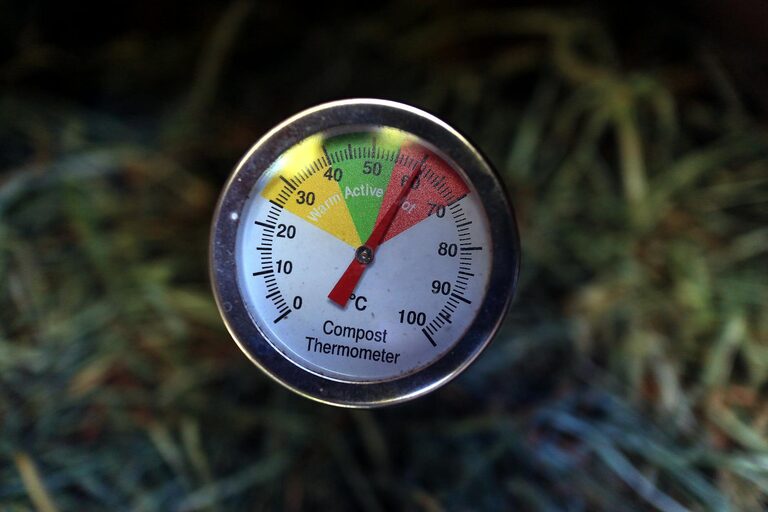
– Use a thermometer: Ideal temperature is between 130°F and 160°F for faster decomposition.
– Be patient: Composting can take a few months, depending on conditions.
Using Your Finished Compost
You’ll know compost is ready when it looks dark, crumbly, and smells earthy. Use it as:
– Mulch around trees and plants.
– A soil amendment by mixing into garden beds.
– Potting mix ingredient.
Composting FAQs
Can I compost citrus or onions?
Yes, but in moderation. Large amounts can slow decomposition or attract pests.
How do I control odors?
Balance green and brown materials, avoid meat and dairy, and turn the pile regularly.
What if I get fruit flies?
Cover fresh scraps with browns and secure your bin. You can also add a layer of finished compost or soil on top.
Final Thoughts
Composting is a rewarding and eco-friendly habit anyone can start at home. With a little knowledge and patience, you’ll turn everyday waste into something that benefits your garden and the planet. Give it a try—you might be surprised at how easy and satisfying it is!
Happy composting!